
Here are some science questions to help you test your general science knowledge. They will also show you which of the Florida, Utah, and NGSS science standards each question is testing.
The questions are chosen randomly, so this quest will be different each time.
Get 5 more random questions.
Would you rather see the most recently added questions?
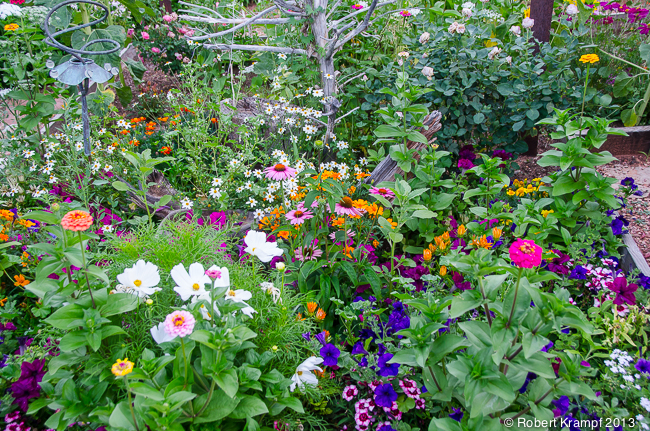
I wanted to test a new fertilizer, to find the best concentration for my garden. I divided my garden into four sections and put a different amount of fertilizer in each section.
My test results showed that using 10 grams of fertilizer per gallon made the plants grow faster and bigger. To follow proper scientific guidelines, what should I do next?
-
Apply 10 grams of fertilizer per gallon to all the plants in my garden.
No. While that might make my garden grow well, it would not provide more evidence that this was the best mixture of fertilizer -
Do the same experiment over again.
Yes! Repetition is an important part of the scientific process. If my hypothesis is correct, I should get the same results every time I repeat the experiment. -
Do the same experiment, but use a different fertilizer.
No. Using a different fertilizer would be testing a different variable. I wanted to find the best concentration of the original fertilizer, so testing a different fertilizer would not help with that. -
Publish my results, so that other scientists could replicate my experiment.
No. Replication is an important step, but I should repeat my experiment several times to be sure that I get consistent results before I ask other scientists to try replicating it.
Click to see which state standards this question tests, and which of my videos, experiments, and other resources support that topic.
Florida
SC.2.N.1.4 Explain how particular scientific investigations should yield similar conclusions when repeated.
| What is Science? | video, ClosedCaptions |
| Review Scientific Process-6 | practice |
| Review Scientific Process-5 | practice |
| Review Scientific Process-7 | practice |
| Review Scientific Process-10 | practice |
SC.5.N.1.3: Recognize and explain the need for repeated experimental trials.
>>> Teacher Page: Nature of Science and Dissolving
| What is Science? | video, ClosedCaptions |
| What is Science?: Repeat and Replicate | video |
| Review Scientific Process-7 | practice |
| Review Scientific Process-10 | practice |
SC.8.N.1.2 Design and conduct a study using repeated trials and replication.
| What is Science?: Repeat and Replicate | video |
| Review Scientific Process-6 | practice |
| Review Scientific Process-5 | practice |
| Review Scientific Process-7 | practice |
| Review Scientific Process-10 | practice |
Utah
NGSS
3-5-ETS1-3 Plan and carry out fair tests in which variables are controlled and failure points are considered to identify aspects of a model or prototype that can be improved.
| What is Science? | video, ClosedCaptions |
| Review Scientific Process-1 | practice |
| Review Scientific Process-2 | practice |
| Review Scientific Process-7 | practice |
| Review Scientific Process-9 | practice |
| Review Scientific Process-10 | practice |
| Review Scientific Process-11 | practice |
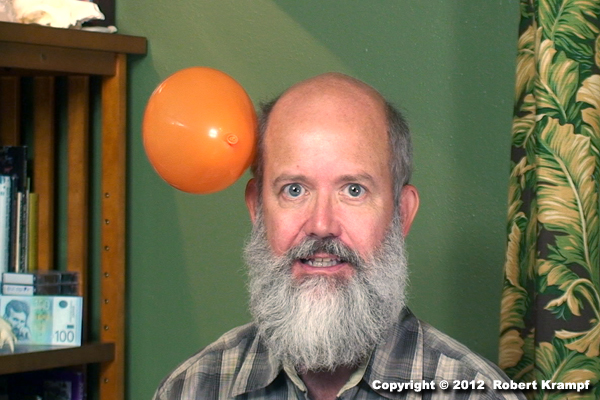
After I rubbed this ballon against my hair, it stuck to the side of my head. Why?
-
The balloon stuck because I don't have enough hair.
No. While much of my hair is gone, I still have enough to do this experiment. -
The balloon stuck because the balloon had the same charge as my hair.
No. Two things with the same electrostatic charge will repel, pushing apart. -
The balloon stuck because the balloon had a different charge from my hair.
Yes. When I rubbed the balloon against my hair, electrons moved from my hair to the balloon. The extra electrons gave the balloon a negative charge, and the missing electrons left my hair with a positive charge. Opposite charges attract, so the balloon stuck to my hair. -
The balloon stuck because my hair was magnetized.
No. Rubbing a balloon against something does not magnetize it. Even if it was magnetized, a magnet would not attract the rubber balloon.
Click to see which state standards this question tests, and which of my videos, experiments, and other resources support that topic.
Florida
SC.5.P.10.3 Investigate and explain that an electrically-charged object can attract an uncharged object and can either attract or repel another charged object without any contact between the objects.
>>> Teacher Page: Electrostatic Charges
| Challenge: Paper, Coin, Cup, part 1 | video |
| Electrostatic Charges | video |
| The Leyden Jar | video, checked |
| Versorium | video, checked |
| Electrostatics and Water | video, ClosedCaptions, checked |
| Challenge: Paper, Coin, Cup, part 2 | video |
| Sorting Salt and Pepper | video, checked |
| Electricity | video, free, Updated |
| Making Water Wiggle | video |
| Review Energy-6 | quest |
| Review Energy-7 | quest |
| Review Energy-8 | quest |
SC.6.P.13.1 Investigate and describe types of forces including contact forces and forces acting at a distance, such as electrical, magnetic, and gravitational.
| Challenge: Paper, Coin, Cup, part 1 | video |
| Making a Compass | video, checked |
| Torque | video |
| Versorium | video, checked |
| Water in a Glass, part 2 | video, checked |
| Water in a Glass, part 3 | video, checked |
| Water in a Glass, part 1 | video, checked |
| Challenge: Paper, Coin, Cup, part 2 | video |
| Light a Bulb with a Balloon | video, checked |
| Crushed Can | video, checked |
| Electricity | video, free, Updated |
| The Compass and Magnetic Fields | video, ClosedCaptions, checked |
| Review Energy-6 | quest |
| Review Energy-7 | quest |
| Review Energy-8 | quest |
Utah
UT.5.IV.1.c Describe the behavior of objects charged with static electricity in attracting or repelling without touching.
| Challenge: Paper, Coin, Cup, part 1 | video |
| Electrostatic Charges | video |
| The Leyden Jar | video, checked |
| Versorium | video, checked |
| Electrostatics and Water | video, ClosedCaptions, checked |
| Challenge: Paper, Coin, Cup, part 2 | video |
| Sorting Salt and Pepper | video, checked |
| Making Water Wiggle | video |
| Review Energy-6 | quest |
| Review Energy-7 | quest |
NGSS
MS-PS3-2 Develop a model to describe that when the arrangement of objects interacting at a distance changes, different amounts of potential energy are stored in the system.
| Measuring Kinetic and Potential Energy | video, checked |
| Challenge: Paper, Coin, Cup, part 1 | video |
| The Leyden Jar | video, checked |
| Versorium | video, checked |
| Water in a Glass, part 2 | video, checked |
| Water in a Glass, part 3 | video, checked |
| Water in a Glass, part 1 | video, checked |
| Electrostatics and Water | video, ClosedCaptions, checked |
| Challenge: Paper, Coin, Cup, part 2 | video |
| Sorting Salt and Pepper | video, checked |
| Making Water Wiggle | video |
| Review Energy-7 | quest |
| Review Energy-8 | quest |
| Review Energy-6 | quest |
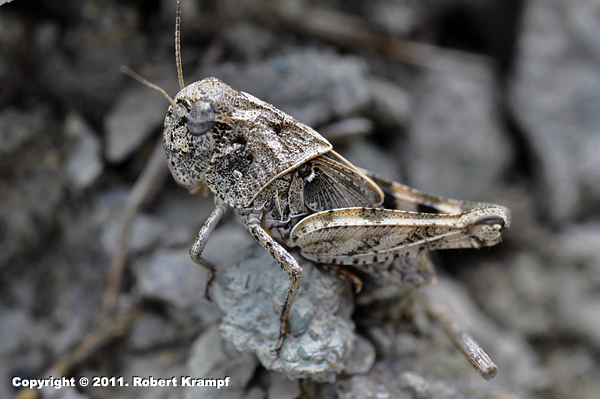
Why does this grasshopper have such small wings?
-
Because this species does not fly.
No. This species of grasshopper does fly. -
Because it has a mutation.
No. This is a normal grasshopper, not a mutant. -
Because it is a cricket, not a grasshopper.
No. This is a grasshopper. -
Because it is not an adult.
Yes! Grasshoppers have incomplete metamorphosis. The immature grasshoppers look similar to adults, but have some differences. The immature stages of the grasshopper has small wings, but the adult stage has large, functional wings.
Click to see which state standards this question tests, and which of my videos, experiments, and other resources support that topic.
Florida
SC.2.L.16.1 Observe and describe major stages in the life cycles of plants and animals, including beans and butterflies.
| Seed Search | video, ClosedCaptions, checked |
| Review Life Cycle-1 | practice |
| Review Life Cycle-2 | practice |
| Review Life Cycle-3 | practice |
| Review Life Cycle-4 | practice |
SC.4.L.16.4 Compare and contrast the major stages in the life cycles of Florida plants and animals, such as those that undergo incomplete and complete metamorphosis, and flowering and nonflowering seedbearing
plants.
| Orange Slices | video, ClosedCaptions |
| Creating a Sprout Guide | text page, photography, free |
| Review Life Cycle-1 | practice |
| Review Life Cycle-2 | practice |
| Review Plants-4 | practice |
| Review Life Cycle-3 | practice |
| Review Life Cycle-4 | practice |
Utah
UT.5.V.1.c Compare various examples of offspring that do not initially resemble the parent organism but mature to become similar to the parent organism (e.g., mealworms and darkling beetles, tadpoles and frogs, seedlings and vegetables, caterpillars and butterflies).
| Review Life Cycle-1 | practice |
| Review Life Cycle-2 | practice |
| Review Life Cycle-3 | practice |
| Review Life Cycle-4 | practice |
NGSS
1-LS3-1 Make observations to construct an evidence-based account that young plants and animals are like, but not exactly like, their parents.
| Review Life Cycle-1 | practice |
| Review Life Cycle-2 | practice |
| Review Life Cycle-3 | practice |
3-LS1-1 Develop models to describe that organisms have unique and diverse life cycles but all have in common birth, growth, reproduction, and death.
| Review Life Cycle-1 | practice |
| Review Life Cycle-2 | practice |
| Review Life Cycle-3 | practice |
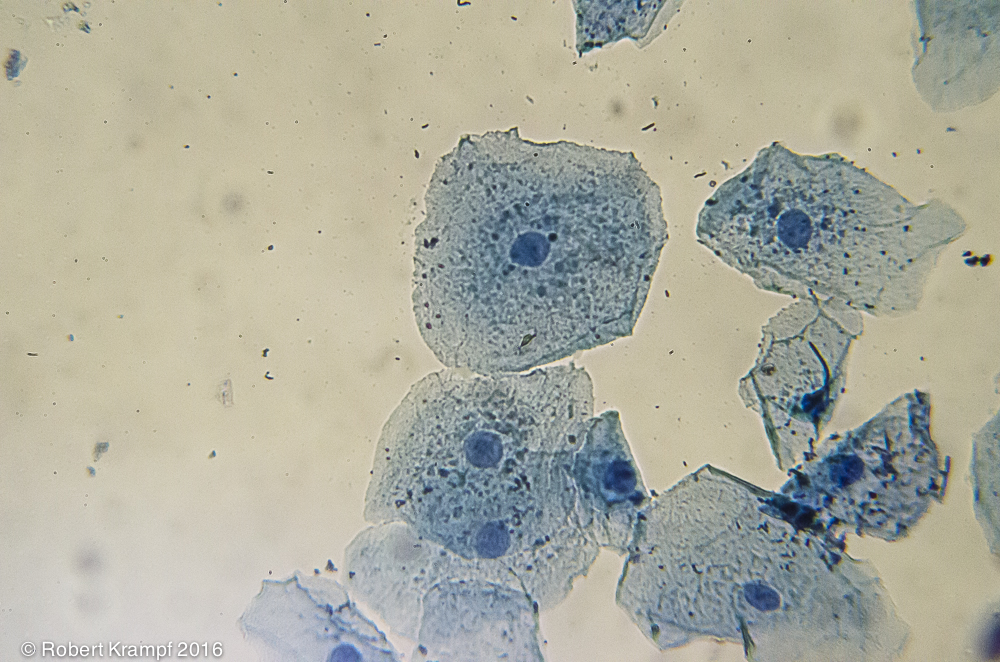
These cells DO NOT have a cell wall. What does that tell us?
-
These are young cells.
No. Even new cells can have a cell wall. -
These are NOT plant cells.
Yes! Plant cells are surrounded by a cell wall, which provides structure and protection. -
These are NOT animal cells.
No. Animal cells do not have a cell wall. -
These are dead cells.
No. Being alive or dead does not change whether a cell has a cell wall or not.
Click to see which state standards this question tests, and which of my videos, experiments, and other resources support that topic.
Florida
SC.6.L.14.4 Compare and contrast the structure and function of major organelles of plant and animal cells, including cell wall, cell membrane, nucleus, cytoplasm, chloroplasts, mitochondria, and vacuoles.
| Osmosis | video, checked |
| Review Cells-1 | practice |
| Review Cells-2 | practice |
| Review Cells-3 | practice |
| Review Cells-4 | practice |
Utah
UT.7.III.1.c Differentiate between plant and animal cells based on cell wall and cell membrane.
| Review Cells-1 | practice |
| Review Cells-2 | practice |
NGSS
MS-LS1-2 Develop and use a model to describe the function of a cell as a whole and ways parts of cells contribute to the function.
| Osmosis | video, checked |
| Review Cells-1 | practice |
| Review Cells-2 | practice |
| Review Cells-3 | practice |
| Review Cells-4 | practice |
Which of the following forms of ice commonly occurs in the summer when air temperatures are well above freezing?
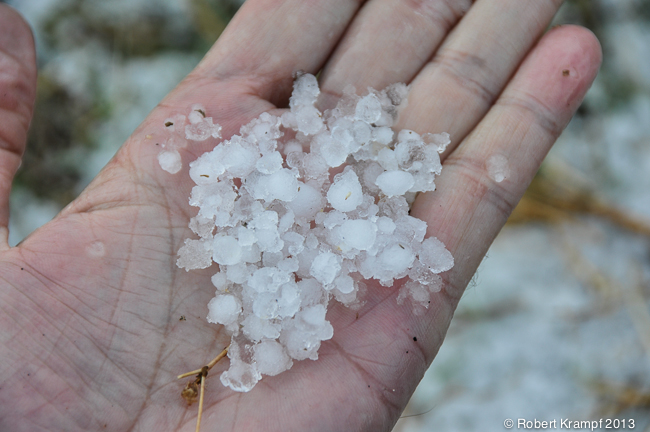
A: Hail
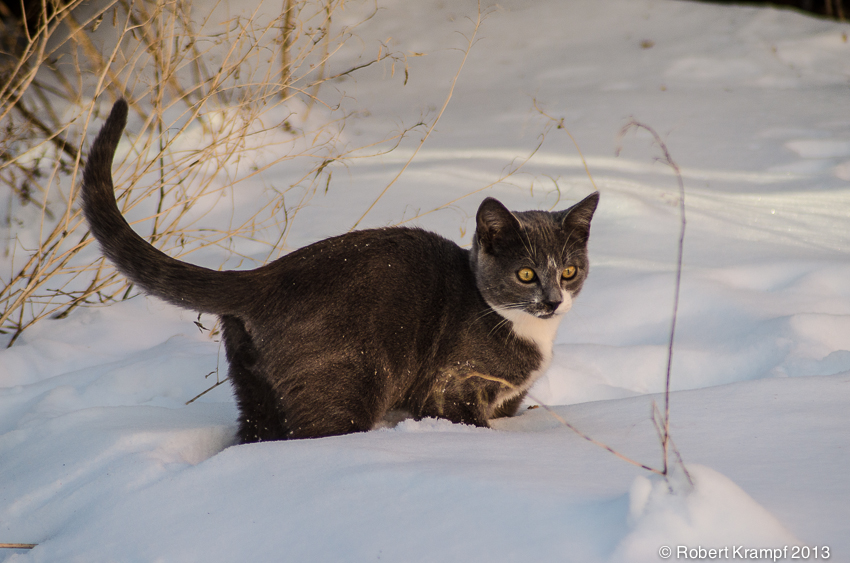
B: Snow
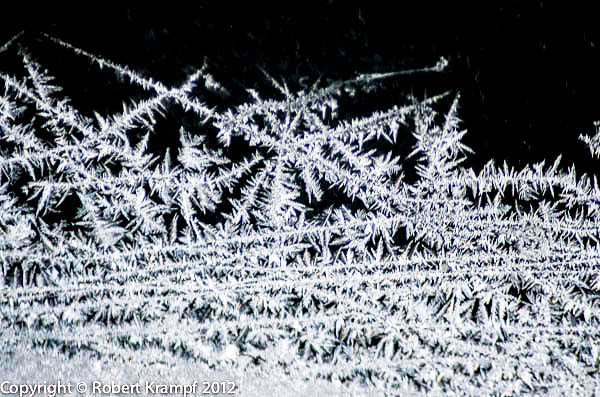
C: Frost
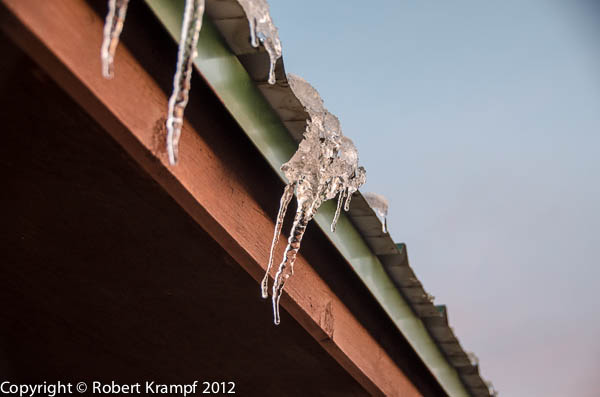
D: Freezing rain
Think about it, and when you think you know the answer, then click here.
While other kinds of frozen precipitation can form at high altitudes, in the summer they usually melt long before they reach the ground. Hail is made up of large enough chunks of ice that it usually remains frozen all the way to the ground, even during warm weather.
Click to see which state standards this question tests, and which of my videos, experiments, and other resources support that topic.
Florida
SC.5.E.7.4 Distinguish among the various forms of precipitation (rain, snow, sleet, and hail), making connections to the weather in a particular place and time.
| Photographing Snowflakes | video, checked |
| Building a Rain Gauge, part 2 | video, checked |
| Building a Rain Gauge, part 1 | video, checked |
| Snow Rollers | text page |
| Review Weather-6 | practice |
| Review Weather-3 | practice |
Utah
UT.4.II.2.a Observe and record effects of air temperature on precipitation (e.g., below freezing results in snow, above freezing results in rain).
| Photographing Snowflakes | video, checked |
| Building a Rain Gauge, part 2 | video, checked |
| Building a Rain Gauge, part 1 | video, checked |
| Review Weather-6 | practice |
| Review Weather-3 | practice |
NGSS
3-ESS2-1 Represent data in tables and graphical displays to describe typical weather conditions expected during a particular season.
| Nephoscope | video, checked |
| Pine Cone Weather | text page, free |
| Review Weather-5 | practice |
| Review Weather-6 | practice |
| Review Weather-4 | practice |
| Review Weather-3 | practice |
| Review Space-5 | practice |
| Review Space-8 | practice |
MS-ESS2-5 Collect data to provide evidence for how the motions and complex interactions of air masses results in changes in weather conditions.
| Cloud Types | video |
| Nephoscope | video, checked |
| Cloud Formation, part 1 | video, ClosedCaptions, checked |
| Pine Cone Weather | text page, free |
| Review Weather-1 | practice |
| Review Weather-2 | practice |
| Review Weather-6 | practice |
| Review Weather-4 | practice |
| Review Weather-3 | practice |
The questions are chosen randomly, so this quest will be different each time.